Are Colorado moose “non-natives”? New research from CU Boulder answers the question

They roam grassy meadows in Rocky Mountain National Park near Estes Park and Grand Lake in northern Colorado. They feed on coniferous needles on the Grand Mesa in western Colorado.
These megafauna specimens are the largest species in the deer family, with some males weighing over 1,000 pounds and standing six feet tall at the shoulders.
But new research from an interdisciplinary team of scientists, archivists and Tribal cultural heritage leaders suggests moose have inhabited Colorado’s southern Rocky Mountains centuries before state wildlife reintroductions began in the late 1970s.
The study published in the Journal of Biogeography found evidence, including archaeological specimens from northern Colorado dating back millennia, that moose were present in Colorado long before the reintroductions occurred.
The study’s lead author, William Taylor, a University of Colorado Boulder associate professor of anthropology and CU Museum curator of archaeology, said Indigenous histories and historical records were a critical part of the research.
“We took a hard look at what these various scientific and historic records tell us about how long moose have been here, and what that means for how we manage them today.” Taylor said. “Our findings show, unequivocally, that moose are non-invasive. In fact, they are as native as any other critter can be in the southern Rockies.”
The team found evidence that moose were well known and embedded in the traditional knowledge of Native people across the southern Rockies.
The researchers examined newspaper archives, archaeological site reports, scientific journals, museum collections and photo archives to determine where and when moose were present in Colorado prior to the mid-1900s.
“The scholarly approach of joining Indigenous knowledge with historical accounts, archaeology and paleontology, ‘shows the power of multiple independent lines of evidence converging on the conclusion that moose were part of southern Rocky Mountain ecosystems long before modern reintroductions,’” study co-author Jonathan Dombrosky said. “More broadly, the study demonstrates how historical sciences can help us better understand the origins of modern ecosystems and make more informed decisions about their future.”
Crystal C’Bearing, a Northern Arapaho Tribal Historic Preservation Officer and study co-author, described the cultural significance of moose.
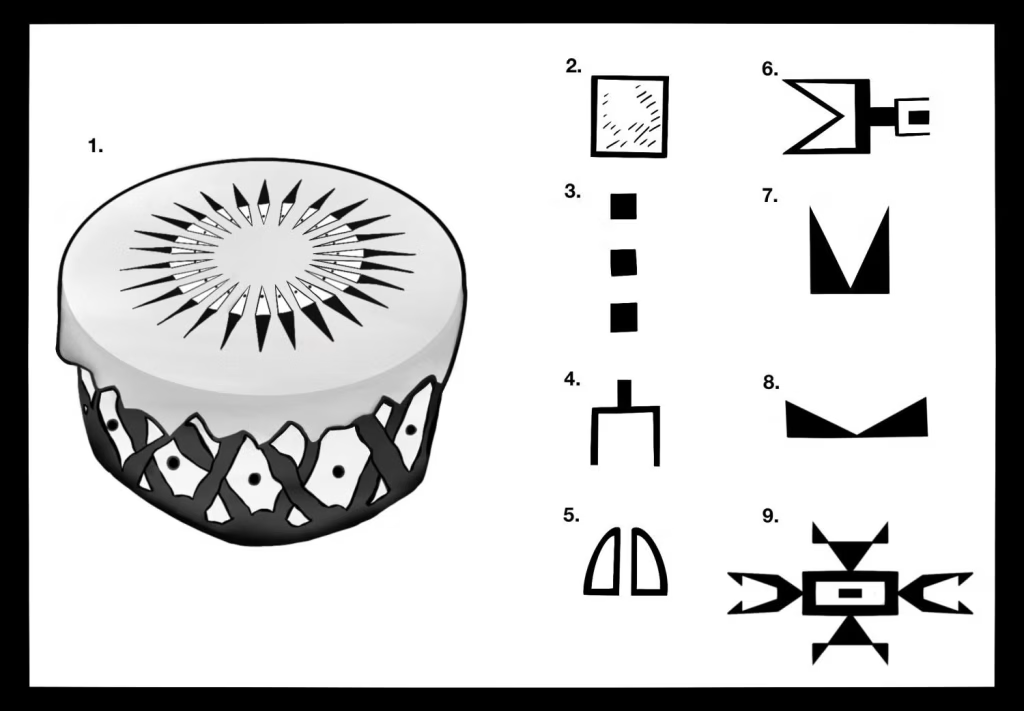
“The moose is considered a valued commodity among the Tribe (Northern Arapaho),” she said. “(They) utilize many animals, including moose, in their clothing, society items and regalia. This tradition continues today.”
They also reviewed archaeological evidence from northwest Colorado, including moose specimens dating back thousands of years to the early Holocene.
Researchers said the findings have implications for wildlife management and conservation policy in Colorado and beyond, particularly in ecosystems shaped by climate change and altered predator populations.
The researchers also said incorporating long-term ecological history can help wildlife managers better understand present-day ecosystems and make more informed decisions about the future.
Read the full study here, and the in-depth story from CU here.
Discover more from Rocky Mountain Journal
Subscribe to get the latest posts sent to your email.


