Emergency fish salvage currently operating ahead of planned drainage
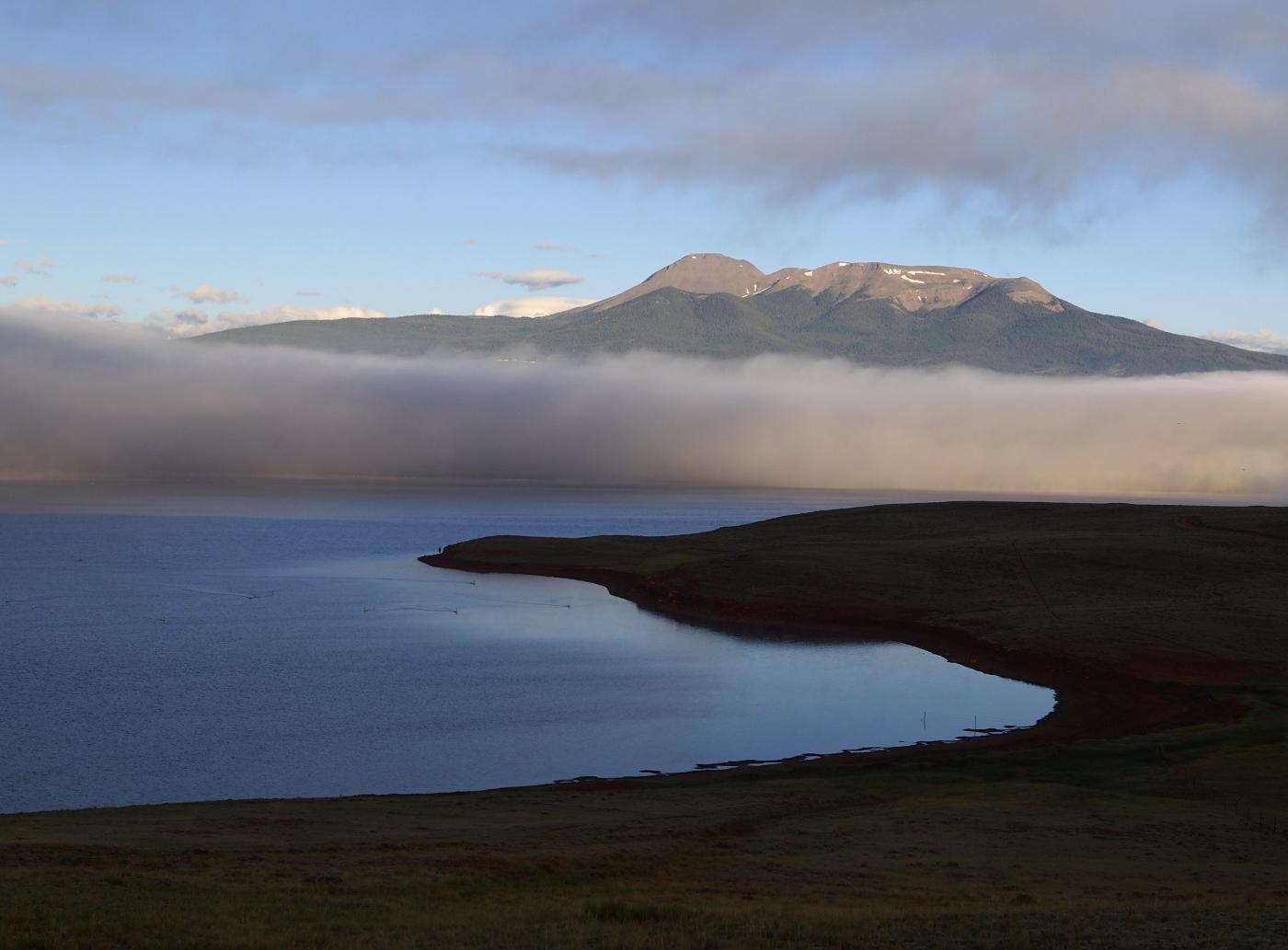
Denver Water made the decision to close recreation on Antero Reservoir in Park County for 2026 due to drought responses after a terrible snowfall during winer 2025/26.
Over the next few weeks, Denver Water will begin moving water from Antero Reservoir to Cheesman Reservoir southwest of Deckers as part of the utility’s drought response, Denver Water said in a news statement on Monday, April 20.
Colorado Parks and Wildlife announced on Wednesday, April 22 an emergency fish salvage is currently operating at the popular reservoir west of Hartsel, and that anglers should take note that all bag and possession limits for all fish species have been lifted.

According to CPW, Antero Reservoir is positive for New Zealand mudsnails, an invasive aquatic nuisance species. They are small and easily hidden in mud on angling equipment. New Zealand mudsnails can survive out of water for up to 50 days. Anglers are urged to clean, drain and dry all of their gear before using it in another body of water.
According to CPW, the fish salvage will be active through sunset on May 13.
“Following the fish relocation process, there will be no recreation, including camping, allowed at Antero Reservoir in 2026,” Denver Water said.
Denver Water said it is working with Colorado Parks and Wildlife (CPW) to minimize the loss of fish during this process and it will allow the public to use the reservoir for a brief period before Antero Reservoir eventually closes.
According to Denver Water, Antero Reservoir has the highest ratio of evaporation to storage of any of the agency’s reservoirs.
By moving the water to Cheesman Reservoir, Denver Water will hope to prevent about 5,000 acre-feet of water – about 25% of the reservoir’s storage capacity – from evaporating.
According to Denver Water, one acre-foot of water equals the annual water use of about three to four single-family households a year.
“A lot of forethought and planning went into our collection system and reservoirs,” Nathan Elder, manager of water supply for Denver Water said. “Antero is a drought reservoir, designed to provide water to our customers during a severe drought. Consolidating this water into Cheesman will help us make the most of the water we have.”
According to Denver Water, in a standard year, water lost to evaporation is recovered by the next runoff season, but because of the historically low snowpack levels in 2026, the water lost this year would not have been recovered.
Denver Water said the reservoir was also drained to assist with water management during the 2002 drought, the same summer the Hayman fire ravaged forests in and around Cheesman Rervoir.
Drought conditions will determine when the reservoir can be refilled.
Discover more from Rocky Mountain Journal
Subscribe to get the latest posts sent to your email.